


Hey there, fellow adventurers! As a supplier of Side Awnings for SUVs, I often get asked if these nifty awnings can hold their own in windy mountain areas. Well, let's dive right into it and find out.
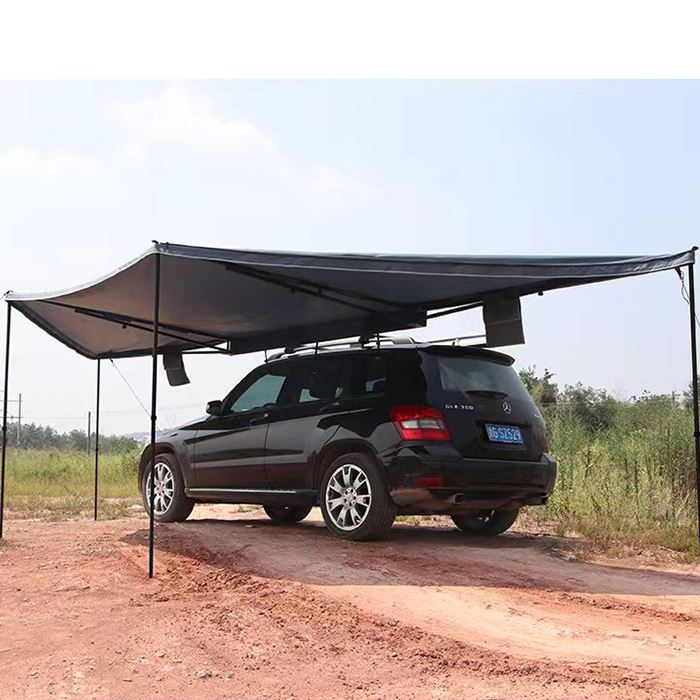
First off, let's talk about what a Side Awning for SUV is. It's a great addition to your SUV, giving you some much - needed shade and a bit of extra space when you're out camping or just hanging out. You can check out our amazing range of Side Awning for SUV. It's perfect for those who love to hit the road and explore the great outdoors.
Now, onto the big question: Can it be used in windy mountain areas? The short answer is yes, but there are some things you need to keep in mind.
Understanding the Wind in Mountain Areas
Mountain winds are no joke. They can be unpredictable, and their strength can vary greatly depending on the time of day, the season, and the specific topography of the area. Sometimes, you might have a gentle breeze, while other times, you could be facing gusts strong enough to blow your tent away.
One of the main factors that affect mountain winds is the thermal difference between the valleys and the peaks. During the day, the sun heats up the mountain slopes, causing the air to rise. This creates an upward - moving wind, or an anabatic wind. At night, the opposite happens. The slopes cool down faster than the valleys, and the air descends, creating a katabatic wind. These winds can be quite strong, especially in narrow valleys or passes.
Features of a Good Side Awning for Windy Conditions
When you're looking for a side awning that can handle mountain winds, there are a few key features to look for.
Material
The material of the awning is crucial. You want something that's strong and durable. Most of our awnings are made from high - quality polyester or canvas. Polyester is lightweight, water - resistant, and has good UV protection. Canvas, on the other hand, is more breathable and can be a bit more durable in the long run. Both materials can withstand a fair amount of wind, but it's important to make sure they're tightly woven to prevent the wind from getting through.
Frame
The frame of the awning is what holds it up, so it needs to be sturdy. Our awnings typically have an aluminum or steel frame. Aluminum is lightweight and resistant to rust, while steel is heavier but stronger. A good frame will have a solid structure and be able to handle the stress of the wind. Look for frames that are adjustable, too. This way, you can angle the awning to reduce the wind resistance.
Anchoring System
An effective anchoring system is essential in windy conditions. Our side awnings come with ropes and stakes that you can use to secure the awning to the ground. Make sure to use heavy - duty stakes and tie the ropes tightly. You can also add additional weights or sandbags for extra stability. Some awnings even have built - in tensioning systems that help keep the fabric taut and reduce flapping in the wind.
Setting Up Your Side Awning in the Mountains
Once you've chosen the right awning, setting it up properly is key to making it work in windy mountain areas.
Location
When you're looking for a spot to set up your awning, try to find a sheltered area. Look for natural windbreaks like large rocks, trees, or the side of a hill. Avoid setting up in open areas where the wind can hit the awning head - on. Also, make sure the ground is level and firm. This will help keep the awning stable.
Orientation
The way you orient the awning can make a big difference. Try to position it so that the wind hits the side or the back of the awning rather than the front. This will reduce the wind resistance and make the awning less likely to be blown over. You can adjust the angle of the awning using the frame's adjustable legs.
Tension
Before you leave the awning unattended, make sure it's properly tensioned. Check the ropes and stakes regularly, especially after a big gust of wind. If the fabric starts to flap, it means it's not taut enough, and you need to adjust the tension.

Other Considerations
While a good side awning can handle a fair amount of wind, there are times when it's just too windy to use it. If the wind speed is too high, it's better to take down the awning and store it safely. You don't want to risk damaging the awning or having it cause an accident.
Also, keep in mind that a side awning is not a substitute for a proper tent. If you're planning to stay in the mountains overnight, you should also have a Car Camping Tent or a Hard Shell Roof Top Tent with Rack. These tents are designed to provide more protection from the elements, including strong winds and rain.
Conclusion
So, can a side awning for SUV be used in windy mountain areas? Absolutely! With the right features, proper setup, and a bit of common sense, a side awning can be a great addition to your mountain adventures. It can provide you with shade during the day and a bit of extra space to relax.
If you're interested in purchasing a side awning for your SUV, or if you have any questions about using it in windy conditions, don't hesitate to reach out. We're here to help you make the most of your outdoor experiences. Contact us to start a procurement discussion and find the perfect awning for your needs.
References
- Barry, R. G., & Chorley, R. J. (1998). Atmosphere, Weather and Climate. Routledge.
- Haeberli, W., & Whalley, W. B. (1997). Rock Glaciers: Indicators of Mountain Permafrost. IAHS Publication.


