


Driving on roads can be a tricky business, especially when the weather throws unexpected challenges your way. One question that frequently pops up among drivers, especially those in regions with snowy winters, is whether it's okay to drive on dry roads with snow chains. As a snow chains supplier, I've encountered this query numerous times, and today, I'm here to shed some light on the matter.
Understanding Snow Chains
Before we delve into the question of driving on dry roads with snow chains, let's first understand what snow chains are and how they work. Snow chains are devices made of metal links that are wrapped around the tires of a vehicle to provide additional traction on snow - covered or icy roads. They dig into the snow and ice, creating a better grip between the tire and the road surface, which helps prevent skidding and improves braking performance.

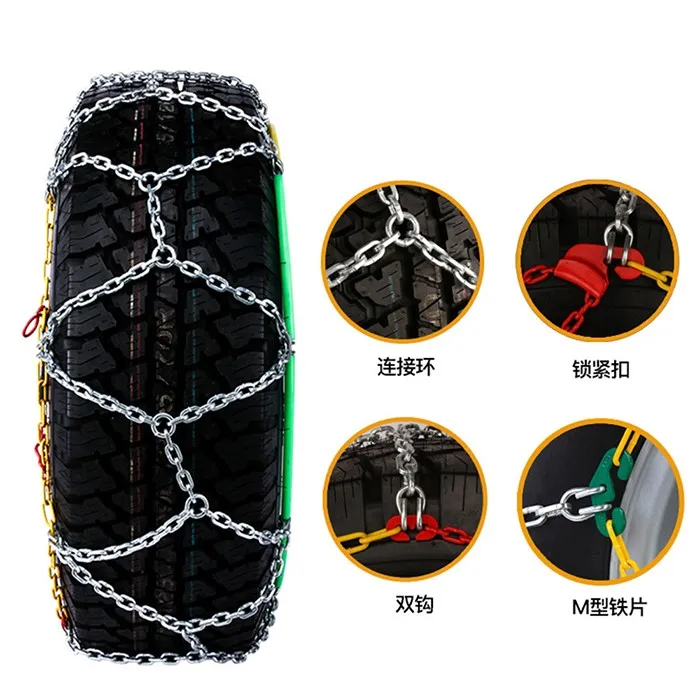
There are different types of snow chains available in the market, each with its own set of features and benefits. To learn more about the Best Type Of Tire Chains, you can visit our detailed guide. Whether you have a small car, an SUV, or a 4x4 truck, there's a suitable snow chain option for you. For those with 4x4 trucks, we also have a specific guide on Snow Chains for 4x4 Trucks.
The Dangers of Driving on Dry Roads with Snow Chains
Now, let's address the main question: can you drive on dry roads with snow chains? The short answer is no, and here's why.
Damage to the Road Surface
Snow chains are designed to bite into snow and ice. When used on dry roads, the metal links of the chains can cause significant damage to the road surface. They can scrape and chip the asphalt, leading to potholes and other road defects. This not only affects the safety of other drivers but also incurs costs for road maintenance.
Damage to the Tires
Driving on dry roads with snow chains can also cause excessive wear and tear on your tires. The chains are constantly rubbing against the road, which can lead to uneven tire wear. Over time, this can reduce the lifespan of your tires and may even cause them to fail prematurely. You'll end up spending more money on tire replacements than you would have if you had simply removed the snow chains when the roads were dry.
Reduced Handling and Safety
Snow chains change the way your vehicle handles. They add extra weight and alter the balance of the tires. On dry roads, this can make your vehicle more difficult to control. You may experience reduced steering response, longer braking distances, and an increased risk of skidding, especially at higher speeds. This puts you and other road users at risk of accidents.
Noise and Vibration
Driving with snow chains on dry roads is also extremely noisy. The constant rattling of the chains can be a nuisance to you and other drivers. Moreover, the vibrations caused by the chains can be felt throughout the vehicle, which can be uncomfortable for passengers and may even cause damage to the vehicle's suspension system over time.
When to Use Snow Chains
Snow chains are a valuable tool, but they should only be used when necessary. The ideal conditions for using snow chains are on snow - covered or icy roads where traction is poor. In many regions, local authorities will issue chain - up requirements during heavy snowfall or icy conditions. When you see these signs, it's important to follow the instructions and install your snow chains as soon as possible.
Before you head out on a winter journey, it's a good idea to check the weather and road conditions. If there's a chance of snow or ice, make sure you have your snow chains with you and know how to install them properly. Our guide on Best Winter Tire Chains can help you choose the right chains for your vehicle and provide tips on installation.
Removing Snow Chains on Dry Roads
Once you've passed through the snowy or icy section of the road and the surface is dry, it's crucial to remove the snow chains as soon as it's safe to do so. Here are some steps to follow:
- Find a Safe Location: Pull over to a safe area, such as a rest stop or a wide shoulder. Make sure your vehicle is parked securely and turn on your hazard lights.
- Gather Your Tools: You'll need a pair of gloves and any tools that came with your snow chains for removal.
- Remove the Chains: Start by loosening the tension on the chains. Then, carefully unwind the chains from around the tires. Be careful not to let the chains get tangled.
- Store the Chains Properly: Once the chains are removed, clean them if necessary and store them in a dry place. This will help prevent rust and ensure they're in good condition for the next time you need them.
Conclusion
In conclusion, driving on dry roads with snow chains is not recommended. It can cause damage to the road surface, your tires, and your vehicle, and it can also compromise your safety. Snow chains are a great asset in snowy and icy conditions, but they should be used responsibly.
If you're in the market for high - quality snow chains, we're here to help. As a trusted snow chains supplier, we offer a wide range of products to suit different vehicles and driving needs. Whether you're a casual driver or a professional in a snowy region, our snow chains can provide the traction you need to stay safe on the road.
If you have any questions about our snow chains or need advice on which type is right for you, don't hesitate to get in touch. We're always happy to assist you with your snow chain needs and look forward to discussing potential purchases with you.
References
- "Winter Driving Safety: Snow Chains and Traction Devices" - National Highway Traffic Safety Administration
- "The Effects of Snow Chains on Road Surfaces" - Journal of Transportation Engineering
- "Tire Wear and Snow Chains" - Tire Industry Association


