


Sure, you can use a car camping tent in a windy area, but there are some important things to think about. As a car camping tent supplier, I've seen firsthand how different tents perform in various conditions, and I'm here to share my insights with you.
First off, not all car camping tents are created equal when it comes to wind resistance. Tents with a low - profile design are generally better in windy conditions. They have less surface area for the wind to push against, which means they're less likely to get knocked over. For example, our Hard Shell Roof Top Tent with Rack is a great option for windy areas. Its hard - shell construction is sturdy and aerodynamic, reducing the impact of strong winds.
Another crucial factor is the tent's material. High - quality, heavy - duty fabrics are more wind - resistant. They can withstand the force of the wind without tearing or flapping around. Look for tents made from materials like ripstop nylon or polyester with a high denier rating. These materials are tough and durable, providing a reliable shelter even in blustery weather.
Proper setup is also key. When setting up your tent in a windy area, choose a good location. Try to find a spot that's sheltered, like behind a large rock or a line of trees. This can block some of the wind and make your tent more stable. Make sure to stake down your tent firmly. Use long, heavy stakes and tie them off at a low angle to the ground. Guy lines are also essential. They add extra support and help keep the tent in place. Attach them to sturdy objects or use additional stakes if necessary.

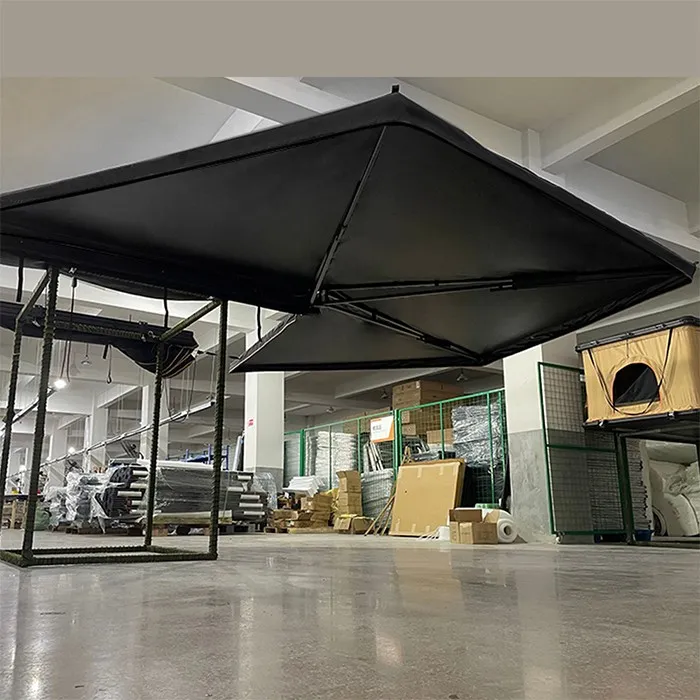
Our SUV Awning with Sides can be a useful addition in windy areas. It can provide some extra protection from the wind and give you an outdoor living space that's a bit more shielded. You can set it up in a way that takes advantage of natural windbreaks, like positioning it parallel to a hill or a large vehicle.
However, there are limits. If the wind is extremely strong, say, over 40 - 50 miles per hour, it might be too dangerous to use a car camping tent. In such cases, it's better to find a more secure shelter, like a building or a well - fortified vehicle. Even the best - designed tents can struggle in hurricane - force winds.
When it comes to the frame of the tent, a strong and well - constructed one is vital. Aluminum or fiberglass frames are popular choices. Aluminum is lightweight yet strong, while fiberglass is flexible and can bend without breaking in the wind. Make sure the frame is properly assembled and tightened. A loose frame can cause the tent to sway more in the wind and increase the risk of damage.
Our Side Awning for SUV can also be adjusted to deal with different wind directions. You can angle it to block the wind from hitting your main tent directly. This can help keep the interior of the tent calm and comfortable.
Before you head out to a windy area, it's a good idea to test your tent at home. Set it up in your backyard on a moderately windy day and see how it performs. Check for any weak points or areas that might need reinforcement. You can make adjustments like adding extra stakes or tightening the guy lines.
Also, keep an eye on the weather forecast. If strong winds are predicted, you can plan accordingly. You might want to delay your trip or bring additional equipment to secure your tent.
In conclusion, using a car camping tent in a windy area is possible, but it requires careful consideration and preparation. Choosing the right tent, setting it up correctly, and being aware of the weather conditions are all important steps.
If you're interested in purchasing high - quality car camping tents that are suitable for windy areas, I'd love to have a chat with you. Whether you're a solo camper, a family looking for a weekend getaway, or a group of adventurers, we have the right tent for you. Contact us to discuss your needs and start planning your next camping trip with confidence.
References
- Outdoor Gear Lab, "Tent Reviews and Buying Advice"
- REI Co - op, "Camping in Windy Conditions"
- Backpacker Magazine, "How to Set Up a Tent in the Wind"


