


As a supplier of Car Camping Tent, I often get asked whether it's possible to use a car camping tent during the winter months. The short answer is yes, but there are several important factors to consider to ensure a safe, comfortable, and enjoyable winter camping experience.
Suitability of Car Camping Tents for Winter Use
Design and Structure
Car camping tents are generally larger and more spacious compared to backpacking tents, which is an advantage in winter. The extra space allows you to store gear and move around more freely. However, their design is not always optimized for winter conditions. Many standard car camping tents are designed for three - season use, which means they may not provide adequate insulation and protection against snow and strong winds.
Tents designed specifically for winter camping have a more robust structure. They often feature a steep - pitched roof to prevent snow buildup. A flatter roof can cause snow to accumulate, increasing the risk of the tent collapsing under the weight. When choosing a car camping tent for winter, look for models with a strong frame and reinforced poles. High - quality materials such as aluminum or fiberglass can withstand the cold temperatures and the stress of heavy snow.
Insulation
Insulation is crucial in winter camping. A well - insulated tent will help keep the interior warm and reduce heat loss. Some car camping tents come with insulated walls and floors. These tents are usually made with materials that have a high R - value, which measures a material's resistance to heat flow. For example, tents with a double - wall design can provide better insulation than single - wall tents. The air gap between the two walls acts as an insulator, trapping warm air inside.
If your tent is not insulated, you can add extra insulation. You can place a thick foam or inflatable sleeping pad on the tent floor. This will not only insulate you from the cold ground but also provide a more comfortable sleeping surface. You can also use thermal blankets or reflective insulation on the walls of the tent to reduce heat loss.
Ventilation
While insulation is important, proper ventilation is also necessary in winter. Without adequate ventilation, moisture from your breath and body heat can condense inside the tent, leading to a damp and cold environment. This can increase the risk of hypothermia and make your sleeping gear wet.
Most car camping tents have vents that can be adjusted. In winter, you should keep these vents slightly open to allow for air circulation. However, make sure to position the vents in a way that does not let cold air directly blow onto your sleeping area. Some tents also have a rainfly that can be adjusted to create a ventilation channel without exposing the tent to the elements.

Preparing for Winter Car Camping
Location Selection
Choosing the right campsite is crucial in winter. Look for a site that is sheltered from the wind. A natural windbreak such as a grove of trees or a large rock formation can help reduce the wind chill factor. Avoid setting up your tent in low - lying areas where cold air can pool or in areas prone to avalanches if you are in a mountainous region.
It's also important to consider the proximity to your car. In case of an emergency, you want to be able to quickly access your vehicle. Make sure there is enough space to park your car safely and that the tent is set up in a way that does not block the car's access.
Gear and Equipment
In addition to a suitable car camping tent, you will need other essential gear for winter camping. A high - quality sleeping bag rated for cold temperatures is a must. Look for sleeping bags with a down or synthetic fill that can provide good insulation. A sleeping pad is also essential to insulate you from the cold ground.
You will also need warm clothing, including a waterproof and windproof outer layer, insulated pants, hats, gloves, and warm socks. A portable heater can be a great addition to your winter camping gear, but make sure to use it safely and follow the manufacturer's instructions.
Benefits of Using a Car Camping Tent in Winter
Convenience
One of the main advantages of car camping in winter is the convenience. You can bring more gear and supplies compared to backpacking. This means you can have a more comfortable camping experience. You can bring extra blankets, pillows, and even a small table and chairs. You can also easily transport your tent and other equipment to and from the campsite.
Safety
Car camping provides an extra layer of safety in winter. Your car can serve as a backup shelter in case of an emergency. If your tent is damaged or the weather becomes too severe, you can retreat to your vehicle. You also have easy access to your emergency supplies, such as a first - aid kit, food, and water.
Other Related Products
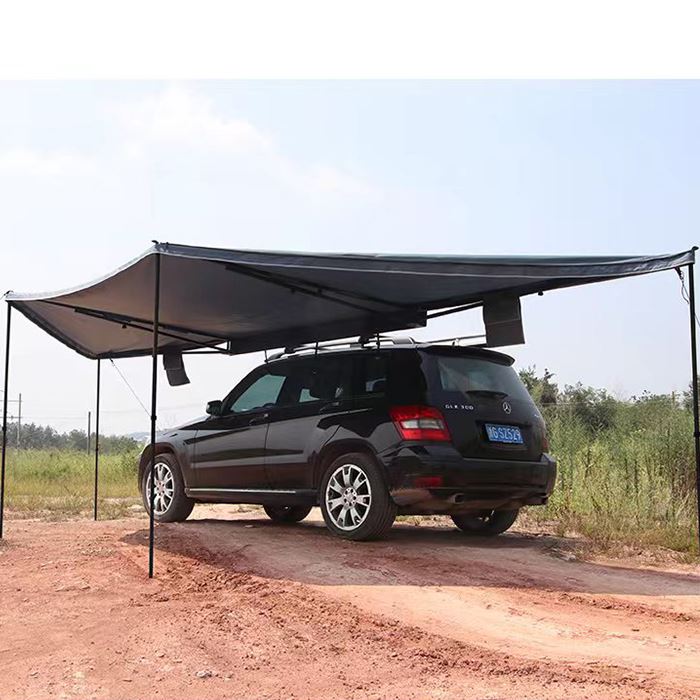
In addition to Car Camping Tent, we also offer other products that can enhance your winter car camping experience. Our Side Awning for SUV can provide additional shelter and protection from the elements. It can be easily attached to your SUV and can be used as a cooking area or a relaxation space.
Our Camping Tent On Top Of SUV is another great option for winter camping. These tents are mounted on the roof of your SUV, providing a unique and elevated camping experience. They are often more insulated and can be more protected from the snow on the ground.
Contact for Purchase and Negotiation
If you are interested in purchasing a car camping tent or any of our other camping products for your winter adventures, we encourage you to reach out to us. We have a wide range of high - quality products that can meet your needs. Our team of experts is ready to assist you in choosing the right tent and providing you with all the information you need.
References
- "Winter Camping: A Complete Guide" by Outdoor Life Magazine
- "The Ultimate Guide to Car Camping" by REI Co - op Journal
- "Camping Tents: How to Choose the Right One" by Backpacker Magazine


