


Snow is a beautiful sight, transforming the world into a winter wonderland. However, it also brings challenges, especially when it comes to driving. Snow and ice on the roads can make driving extremely hazardous, reducing traction and increasing the risk of accidents. This is where snow chains come in. As a snow chains supplier, I've encountered many customers who are concerned about whether snow chains can damage their tires. In this blog post, I'll delve into this topic and provide you with the information you need to make an informed decision.
How Snow Chains Work
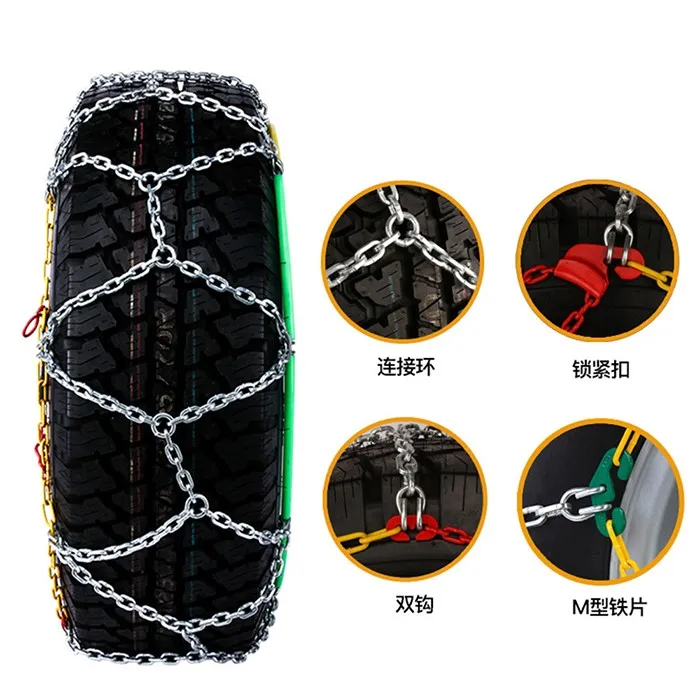
Before we discuss the potential for tire damage, let's first understand how snow chains work. Snow chains are made of metal links that are wrapped around the tires of a vehicle. When the chains come into contact with the snow and ice on the road, they provide additional traction by biting into the surface. This helps to improve the vehicle's grip, making it easier to accelerate, brake, and turn safely.
Factors That Can Cause Tire Damage
While snow chains are designed to enhance traction, there are certain factors that can potentially cause damage to your tires.
Incorrect Installation
One of the most common causes of tire damage is incorrect installation. If the snow chains are not installed properly, they may rub against the tire sidewall or other parts of the vehicle. This can lead to cuts, abrasions, and even punctures. To avoid this, it's crucial to follow the manufacturer's installation instructions carefully. Make sure the chains are the correct size for your tires and that they are tightened securely.
Over-Tightening
Over-tightening the snow chains can also cause damage to your tires. When the chains are too tight, they can put excessive pressure on the tire, leading to uneven wear and tear. This can shorten the lifespan of your tires and may even cause them to fail prematurely. It's important to find the right balance when tightening the chains. They should be snug enough to stay in place but not so tight that they cause damage.
Driving on Dry Pavement
Another factor that can cause tire damage is driving on dry pavement with snow chains. Snow chains are designed for use on snow and ice, and driving on dry pavement can cause excessive wear and tear on both the chains and the tires. The metal links of the chains can scrape against the road surface, generating heat and friction. This can cause the tires to overheat, leading to damage to the rubber and the internal structure of the tire. It's important to remove the snow chains as soon as you reach dry pavement.
Low-Quality Chains
Using low-quality snow chains can also increase the risk of tire damage. Cheap chains may be made from inferior materials that are more likely to break or cause damage to your tires. It's worth investing in high-quality chains from a reputable manufacturer. Quality chains are designed to fit your tires properly and are made from durable materials that can withstand the rigors of winter driving.
How to Minimize the Risk of Tire Damage
While there is a potential for tire damage when using snow chains, there are several steps you can take to minimize this risk.
Choose the Right Chains
As mentioned earlier, choosing the right snow chains is crucial. Make sure you select chains that are the correct size for your tires and that are suitable for your vehicle. You can find a wide range of snow chains on our website, including Snow Chains for 4x4 Trucks, Quality Chain Tire Chains, and Best Winter Tire Chains. Our experts can also help you choose the right chains for your specific needs.
Install the Chains Correctly
Proper installation is key to preventing tire damage. Take the time to read the manufacturer's installation instructions carefully and follow them step by step. If you're not confident in your ability to install the chains yourself, you can have them installed by a professional.
Check the Chains Regularly
Once the snow chains are installed, it's important to check them regularly for signs of wear and tear. Look for any loose or broken links, and make sure the chains are still tightened securely. If you notice any problems, stop driving immediately and make the necessary repairs or adjustments.
Remove the Chains When Not Needed
As mentioned earlier, driving on dry pavement with snow chains can cause damage to your tires. Make sure you remove the chains as soon as you reach dry pavement. This will not only protect your tires but also extend the lifespan of the chains.

Conclusion
In conclusion, while there is a potential for tire damage when using snow chains, this can be minimized by taking the right precautions. By choosing the right chains, installing them correctly, checking them regularly, and removing them when not needed, you can enjoy the benefits of improved traction without worrying about damaging your tires.
If you're in the market for high-quality snow chains, look no further. As a leading snow chains supplier, we offer a wide range of products to suit your needs. Our snow chains are made from durable materials and are designed to provide maximum traction and safety. Whether you're driving a 4x4 truck or a passenger car, we have the right chains for you.
If you have any questions or would like to discuss your snow chain needs, please don't hesitate to contact us. We're here to help you make the right choice and ensure a safe and enjoyable winter driving experience.
References
- Tire Industry Association. (2023). Snow Chain Installation and Use Guidelines.
- National Highway Traffic Safety Administration. (2023). Winter Driving Safety Tips.


