


Hey there, fellow SUV enthusiasts! As a supplier of Rooftop Awning for SUV, I've seen firsthand how a good rooftop awning can transform your outdoor adventures. But one question that always comes up is, "How do I ensure the stability of a rooftop awning for my SUV?" Well, you're in the right place because I'm gonna share some tips and tricks to keep your awning steady and secure.
Understanding the Basics of Rooftop Awning Stability
First things first, let's talk about why stability is so important. A wobbly awning not only looks bad but can also be a safety hazard. When you're out camping or just enjoying a day at the beach, you want to be able to relax under your awning without worrying about it collapsing. Plus, a stable awning will last longer and provide better protection from the elements.
There are a few key factors that affect the stability of a rooftop awning. The design and construction of the awning itself are crucial. Look for an awning that's made from high-quality materials and has a sturdy frame. A well-designed awning will be able to withstand wind, rain, and other weather conditions without bending or breaking.
The mounting system is another important factor. You need to make sure that your awning is properly attached to your SUV's roof. A good mounting system will distribute the weight of the awning evenly and prevent it from shifting or vibrating while you're driving. Most rooftop awnings come with a mounting kit that includes brackets, bolts, and other hardware. Make sure you follow the manufacturer's instructions carefully when installing the mounting system.
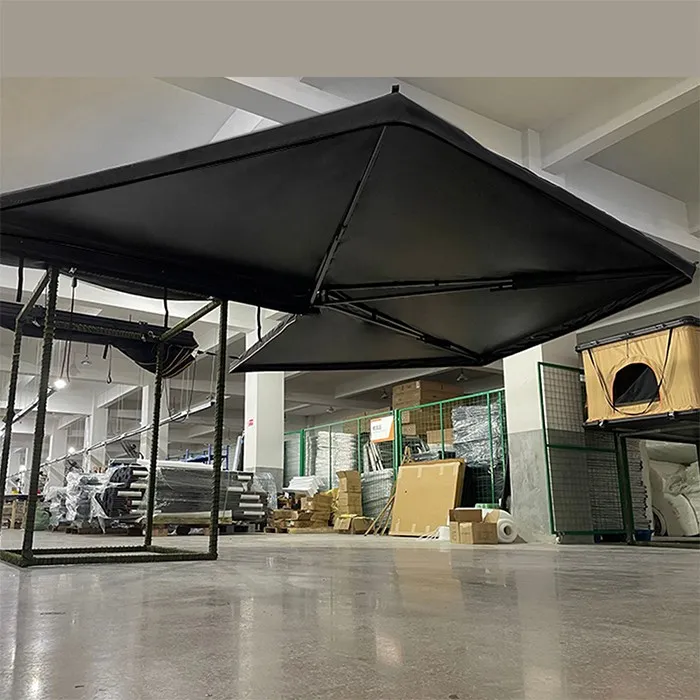

Choosing the Right Rooftop Awning for Your SUV
When it comes to choosing a rooftop awning, there are a few things to keep in mind. First, consider the size of your SUV. You want to make sure that the awning is big enough to provide adequate shade and protection but not so big that it's too heavy or cumbersome. A general rule of thumb is to choose an awning that's about the same width as your SUV.
Next, think about the type of awning you want. There are several different types of rooftop awnings available, including manual awnings, electric awnings, and retractable awnings. Manual awnings are the most basic and affordable option, but they require some effort to set up and take down. Electric awnings are more convenient and can be operated with the push of a button, but they're usually more expensive. Retractable awnings are a great option if you want to be able to quickly and easily adjust the amount of shade and protection you have.
Another important factor to consider is the material of the awning. The most common materials used for rooftop awnings are polyester, canvas, and vinyl. Polyester is a lightweight and durable material that's resistant to water and UV rays. Canvas is a more traditional material that's known for its breathability and natural look. Vinyl is a heavy-duty material that's very resistant to weather and wear.
If you're looking for an awning with sides, check out our SUV Awning with Sides. It provides extra protection from the wind, rain, and sun, and it's easy to set up and take down.
Installing Your Rooftop Awning Correctly
Once you've chosen the right rooftop awning for your SUV, it's time to install it. This is a crucial step that can have a big impact on the stability of your awning. Make sure you have all the necessary tools and equipment before you start, including a drill, a socket set, and a torque wrench.
Start by cleaning the roof of your SUV where the awning will be mounted. This will ensure that the mounting brackets adhere properly. Next, position the mounting brackets on the roof according to the manufacturer's instructions. Use the drill to make holes in the roof and insert the bolts. Tighten the bolts using the torque wrench to the specified torque.
After the mounting brackets are installed, attach the awning frame to the brackets. Make sure the frame is level and secure. Finally, unfold the awning fabric and attach it to the frame. Follow the manufacturer's instructions carefully to ensure that the fabric is properly tensioned.
If you're not comfortable installing the awning yourself, you can always hire a professional to do it for you. A professional installer will have the experience and expertise to ensure that your awning is installed correctly and safely.
Maintaining Your Rooftop Awning
Proper maintenance is essential for keeping your rooftop awning stable and in good condition. Here are some tips to help you maintain your awning:
- Clean your awning regularly: Use a mild soap and water to clean the awning fabric. Avoid using harsh chemicals or abrasive cleaners, as these can damage the fabric.
- Inspect your awning for damage: Before and after each use, inspect your awning for any signs of damage, such as tears, holes, or loose seams. If you notice any damage, repair it as soon as possible.
- Store your awning properly: When you're not using your awning, store it in a dry, cool place. Make sure it's folded or rolled up neatly and stored in a protective cover.
- Check the mounting system: Periodically check the mounting system to make sure the bolts are tight and the brackets are secure. If you notice any looseness or damage, tighten the bolts or replace the brackets as needed.
Using Your Rooftop Awning Safely
Even with a stable and well-maintained awning, it's important to use it safely. Here are some tips to help you use your awning safely:
- Follow the manufacturer's instructions: Make sure you read and follow the manufacturer's instructions carefully when setting up and using your awning. This will ensure that you're using the awning correctly and safely.
- Avoid using the awning in high winds: High winds can put a lot of stress on your awning and cause it to collapse. If the wind speed is too high, it's best to take down the awning and store it until the wind dies down.
- Don't overload the awning: Make sure you don't put too much weight on the awning. This includes people, furniture, and other objects. Overloading the awning can cause it to sag or collapse.
- Secure the awning properly: Use guy ropes and stakes to secure the awning to the ground. This will help to prevent the awning from shifting or blowing away in the wind.
Conclusion
Ensuring the stability of a rooftop awning for your SUV is all about choosing the right awning, installing it correctly, maintaining it properly, and using it safely. By following the tips and tricks I've shared in this blog post, you can enjoy a stable and secure rooftop awning for many years to come.
If you're interested in purchasing a rooftop awning for your SUV, we have a wide range of options available. Check out our Rooftop Awning for SUV and Hard Shell Roof Top Tent with Rack for more information.
If you have any questions or would like to discuss your specific needs, feel free to reach out to us. We're here to help you find the perfect rooftop awning for your SUV and ensure that it's stable and secure.
References
- Various rooftop awning manufacturers' manuals and guidelines
- Industry best practices for outdoor equipment installation and maintenance


