


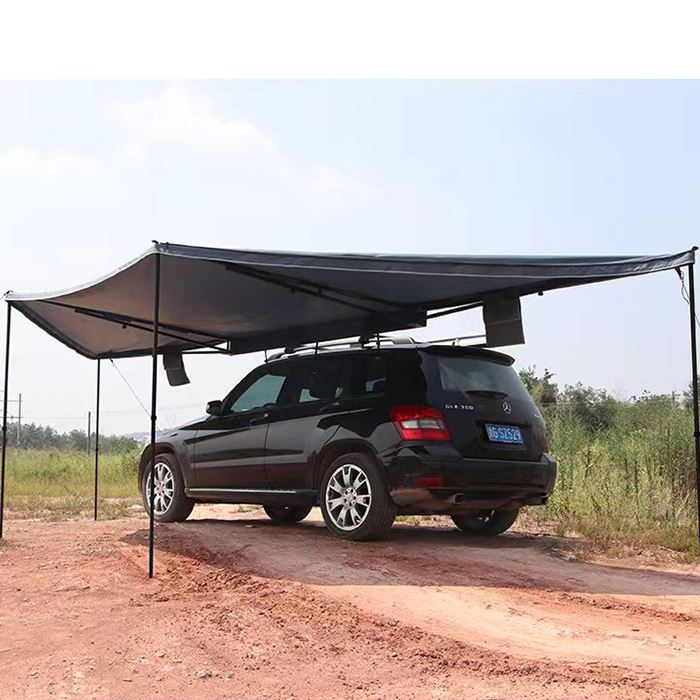
As a supplier of Rooftop Awning for SUV, I've encountered numerous customers expressing concerns about securing these awnings during strong winds. In this blog, I'll share some effective strategies based on my years of experience and industry knowledge.
Understanding the Importance of Securing Rooftop Awnings
Rooftop awnings for SUVs are a great addition for outdoor enthusiasts. They provide shade and shelter, enhancing the overall camping experience. However, strong winds can pose a significant threat to these awnings. If not properly secured, they can be damaged, causing not only financial loss but also potential safety hazards. A loose awning can flap violently, which might lead to it detaching from the vehicle and causing damage to the SUV or other nearby objects. Therefore, it's crucial to take the necessary steps to secure your rooftop awning during windy conditions.
Choosing the Right Rooftop Awning
The first step in securing your rooftop awning is to choose the right one. Look for a high - quality Rooftop Awning for SUV that is designed to withstand strong winds. A well - built awning will have a sturdy frame and durable fabric. The frame should be made of high - strength materials such as aluminum or steel, which can resist bending and breaking under pressure. The fabric should be thick and weather - resistant, with a high UV protection rating.

Pre - installation Checks
Before installing the awning, it's essential to conduct a thorough pre - installation check. Inspect the awning for any signs of damage, such as tears in the fabric or cracks in the frame. Make sure all the components, including the brackets, poles, and ropes, are in good condition. Check the compatibility of the awning with your SUV. Ensure that the mounting system is suitable for your vehicle's roof type and structure.
Proper Installation
Proper installation is the key to securing your rooftop awning. Follow the manufacturer's instructions carefully. Most awnings come with a detailed installation guide that includes step - by - step instructions and diagrams. If you're not confident in your installation skills, it's advisable to seek professional help.
When installing the awning, make sure the mounting brackets are firmly attached to the vehicle's roof. Use the appropriate tools and fasteners to ensure a secure fit. Tighten all the bolts and screws to the recommended torque. Once the awning is mounted, check its stability by gently shaking it. If it feels loose, re - check the installation and make any necessary adjustments.
Using Additional Support
In addition to the standard installation, you can use additional support to secure your rooftop awning during strong winds. One effective method is to use guy ropes. Guy ropes are ropes that are attached to the corners of the awning and anchored to the ground. They help to distribute the wind load evenly and prevent the awning from swaying.
When using guy ropes, make sure they are properly tensioned. You can use tensioners or turnbuckles to adjust the tension. Anchor the ropes firmly to the ground using stakes or sandbags. Choose a suitable location for the anchors, away from any obstacles or areas where the ground is soft or unstable.
Another option is to use windbreakers. Windbreakers are panels that can be attached to the sides of the awning to reduce the wind force. They can be made of various materials, such as fabric or mesh. Windbreakers not only help to secure the awning but also provide additional privacy and protection from the elements.
Regular Maintenance
Regular maintenance is essential to keep your rooftop awning in good condition and ensure its security during strong winds. After each use, clean the awning to remove any dirt, debris, or moisture. Use a mild detergent and a soft brush to clean the fabric. Rinse it thoroughly and let it dry completely before storing.
Inspect the awning regularly for any signs of wear and tear. Check the fabric for tears or holes, and the frame for cracks or rust. Replace any damaged components immediately. Lubricate the moving parts, such as the hinges and joints, to ensure smooth operation.
Monitoring the Weather
Before setting up your rooftop awning, check the weather forecast. If strong winds are expected, it's advisable to postpone your camping trip or take extra precautions. If you're already at the campsite and the weather changes suddenly, be prepared to take action.
Keep an eye on the wind speed and direction. If the wind becomes too strong, it may be necessary to retract the awning. Most rooftop awnings can be easily retracted and stored. Follow the manufacturer's instructions to retract the awning safely.
Comparing with Other Camping Tents
When considering a rooftop awning for your SUV, you might also be looking at Car Camping Tent or Side Awning for SUV. While car camping tents and side awnings have their own advantages, rooftop awnings offer unique benefits in terms of space utilization and convenience.
Car camping tents are usually set up on the ground near the vehicle. They provide more living space but can be more difficult to set up and take down. Side awnings are attached to the side of the vehicle and offer shade and shelter on one side. However, they may not be as stable as rooftop awnings during strong winds.
Rooftop awnings, on the other hand, are mounted on the roof of the vehicle, which makes them more stable and less affected by the wind. They also provide a 360 - degree view and can be easily set up and retracted.
Conclusion
Securing a rooftop awning for SUV during strong winds requires a combination of proper installation, additional support, regular maintenance, and weather monitoring. By following the tips and strategies outlined in this blog, you can ensure the safety and durability of your awning.
If you're interested in purchasing a high - quality rooftop awning for your SUV, we're here to help. We offer a wide range of Rooftop Awning for SUV that are designed to withstand various weather conditions. Our team of experts can provide you with professional advice and assistance in choosing the right awning for your needs. Feel free to contact us for more information and to start the procurement negotiation process.
References
- Manufacturer's installation and user manuals for rooftop awnings.
- Industry research on outdoor camping equipment and wind resistance.
- Personal experience and knowledge gained from supplying rooftop awnings for SUVs.


