


Windy snow conditions present a unique set of challenges for drivers, combining the slippery nature of snow with the unpredictable forces of strong winds. As a snow chains supplier, I've witnessed firsthand how these conditions can turn a routine drive into a hazardous journey. In this blog, I'll delve into how snow chains perform in windy snow conditions, exploring their effectiveness, limitations, and best practices for use.
The Science Behind Snow Chains
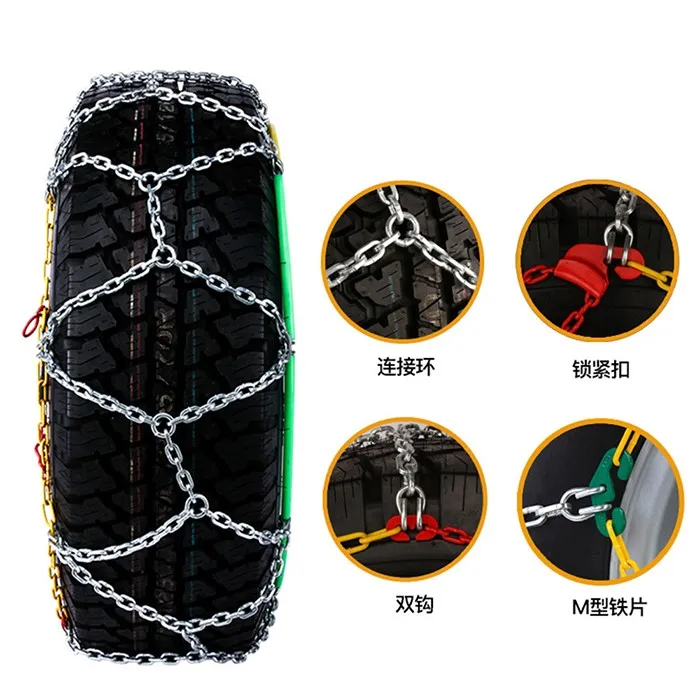
Snow chains work by providing additional traction on slippery surfaces. When installed on tires, they dig into the snow and ice, creating grooves that help the vehicle maintain grip. The design of snow chains varies, but most consist of metal links that wrap around the tire tread. These links increase the tire's contact area with the road, improving traction and reducing the risk of skidding.
In normal snow conditions, snow chains can significantly enhance a vehicle's ability to accelerate, brake, and turn safely. However, windy snow conditions add an extra layer of complexity. The strong winds can blow snow across the road, creating drifts and uneven surfaces. This can make it more difficult for snow chains to maintain consistent contact with the road, reducing their effectiveness.
Performance in Windy Snow Conditions
Traction
One of the primary benefits of snow chains is their ability to improve traction. In windy snow conditions, the blowing snow can create a layer of loose powder on the road surface. This loose snow can make it challenging for tires to grip, even with snow chains. However, snow chains are still effective at providing traction in these conditions. The metal links of the chains can cut through the loose snow and reach the more compacted layer beneath, providing better grip for the tires.
Stability
Windy snow conditions can also affect a vehicle's stability. The strong winds can push the vehicle from side to side, making it difficult to maintain a straight course. Snow chains can help improve stability by providing additional grip on the road. This can help the vehicle stay on track and reduce the risk of sliding or spinning out.
Braking
Braking is another critical aspect of driving in windy snow conditions. The slippery road surface can increase the stopping distance of a vehicle, making it more difficult to avoid collisions. Snow chains can help reduce the stopping distance by providing better traction. When the brakes are applied, the chains dig into the snow and ice, helping to slow down the vehicle more quickly.
Limitations of Snow Chains in Windy Snow Conditions
Snow Buildup
One of the main limitations of snow chains in windy snow conditions is snow buildup. The blowing snow can accumulate between the chains and the tire, reducing their effectiveness. This can cause the chains to lose contact with the road surface, resulting in reduced traction and stability. To prevent snow buildup, it's important to regularly check the chains and remove any accumulated snow.

Chain Damage
The strong winds and blowing snow can also cause damage to the snow chains. The chains can become loose or break, especially if they are not properly installed or maintained. It's important to inspect the chains before and after each use to ensure they are in good condition. If any damage is detected, the chains should be replaced immediately.
Speed Restrictions
Snow chains are designed to be used at low speeds. In windy snow conditions, it's even more important to drive slowly and carefully. The strong winds can make it difficult to control the vehicle, and driving too fast can increase the risk of accidents. Most snow chain manufacturers recommend a maximum speed of 30-40 miles per hour when using snow chains.
Best Practices for Using Snow Chains in Windy Snow Conditions
Proper Installation
Proper installation is crucial for the effective use of snow chains. Make sure to follow the manufacturer's instructions carefully when installing the chains. The chains should be tightened securely to the tire to prevent them from coming loose. It's also important to ensure that the chains are the correct size for your tires.
Regular Inspection
Regular inspection of the snow chains is essential to ensure they are in good condition. Check the chains before and after each use for any signs of damage or wear. If any damage is detected, the chains should be replaced immediately.
Slow and Steady Driving
In windy snow conditions, it's important to drive slowly and steadily. Avoid sudden acceleration, braking, or turning, as this can cause the vehicle to lose traction. Use a low gear when driving uphill or downhill to maintain control of the vehicle.
Remove Chains When Not Needed
Once you have reached a clear road or the weather conditions have improved, it's important to remove the snow chains. Driving with snow chains on dry or clear roads can cause damage to the chains and the tires.
Conclusion
Snow chains are an essential tool for driving in snowy conditions, but their performance can be affected by windy snow conditions. While they can still provide significant traction and stability, it's important to be aware of their limitations and take the necessary precautions. By following the best practices outlined in this blog, you can ensure the safe and effective use of snow chains in windy snow conditions.
If you're in the market for high-quality snow chains, I recommend checking out our Quality Chain Tire Chains, Snow Chains for 4x4 Trucks, and Best Winter Tire Chains. Our snow chains are designed to provide maximum traction and durability in even the most challenging winter conditions.
If you have any questions or would like to discuss your snow chain needs, please don't hesitate to contact us. We're here to help you find the perfect snow chains for your vehicle and ensure your safety on the road.
References
- "Snow Chain Safety Tips." National Highway Traffic Safety Administration.
- "How to Use Snow Chains." Consumer Reports.
- "Snow Chain Installation and Use." Tire Rack.


