


Storing snow chains properly is crucial for their longevity and performance. As a snow chains supplier, I've seen firsthand the difference proper storage can make. In this blog, I'll share some tips on how to store snow chains effectively.
Clean Your Snow Chains Before Storage
Before you store your snow chains, it's essential to clean them thoroughly. Snow chains can accumulate dirt, salt, and other debris during use, which can cause rust and corrosion over time. To clean your snow chains, follow these steps:
- Remove the chains from your tires: Make sure your vehicle is parked on a flat, stable surface and the engine is off. Then, carefully remove the snow chains from your tires.
- Shake off loose debris: Take the chains outside and shake them vigorously to remove any loose dirt, snow, or ice.
- Soak the chains in a bucket of soapy water: Fill a large bucket with warm water and add a mild detergent. Submerge the snow chains in the soapy water and let them soak for about 15 - 20 minutes.
- Scrub the chains: Use a stiff - bristled brush to scrub the chains, paying special attention to the areas with stubborn dirt or rust. Make sure to clean both the chains and the hooks or fasteners.
- Rinse the chains: Once you've scrubbed the chains, rinse them thoroughly with clean water to remove all the soap.
- Dry the chains completely: Hang the snow chains in a well - ventilated area to dry. You can also use a clean towel to pat them dry before hanging. Make sure the chains are completely dry before storing them to prevent rust.
Choose the Right Storage Location
The location where you store your snow chains can significantly impact their condition. Here are some things to consider when choosing a storage location:
- Dry and cool environment: Moisture is the enemy of snow chains as it can lead to rust. Choose a storage area that is dry and cool, such as a garage, shed, or basement. Avoid storing the chains in areas prone to high humidity, like a crawl space or near a leaky pipe.
- Protected from the elements: If you're storing the chains outside, make sure they are protected from rain, snow, and direct sunlight. You can use a waterproof storage container or a heavy - duty plastic bag to keep the chains dry.
- Off the ground: Storing the chains on the ground can expose them to moisture and dirt. Use a shelf, pegboard, or hooks to hang the chains off the ground. This will also make them easier to access when you need them.
Organize Your Snow Chains
Proper organization can make it easier to store and retrieve your snow chains. Here are some ways to organize your snow chains:
- Group by size and type: If you have multiple sets of snow chains, group them by size and type. This will make it easier to find the right set for your vehicle when you need them. For example, you can separate Quality Chain Tire Chains, Snow Chains for 4x4 Trucks, and Low Profile Tire Chains.
- Use storage containers: You can use plastic storage bins or bags to keep your snow chains organized. Label the containers with the size and type of chains inside so you can easily identify them.
- Keep the instructions with the chains: Make sure to keep the installation instructions and any other documentation that came with the snow chains in the same storage container. This will be helpful if you need to refer to them later.
Protect Your Snow Chains During Storage
To further protect your snow chains during storage, you can take the following steps:
- Apply a rust inhibitor: Once the chains are dry, you can apply a light coat of rust inhibitor to prevent rusting. There are many commercial rust inhibitors available, or you can use a light - weight oil like WD - 40. Just spray the rust inhibitor on the chains and wipe off any excess.
- Wrap the chains: You can wrap the snow chains in a soft cloth or an old blanket to protect them from scratches and dents. This is especially important if you're storing the chains in a container with other tools or equipment.
- Check on the chains periodically: Even if you've stored your snow chains properly, it's a good idea to check on them periodically, especially if they are stored for an extended period. Look for signs of rust, damage, or wear and take appropriate action if needed.
Why Proper Storage Matters
Proper storage of snow chains is not just about keeping them in good condition; it also affects their performance. Here's why:
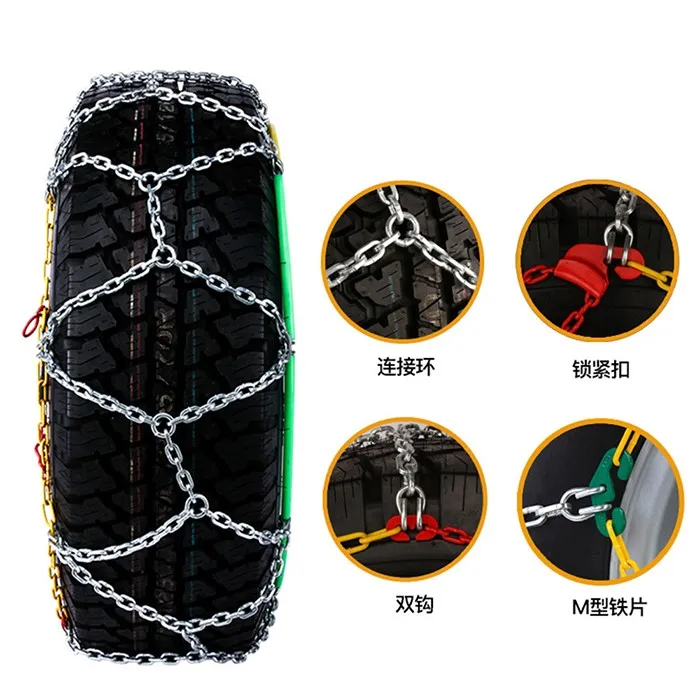

- Longer lifespan: By cleaning, drying, and storing your snow chains correctly, you can extend their lifespan. This means you won't have to replace them as often, saving you money in the long run.
- Better performance: Well - maintained snow chains will perform better when you need them. Rusty or damaged chains may not grip the road as well, which can be dangerous in snowy or icy conditions.
- Easier installation: When your snow chains are stored properly, they will be easier to install. Tangled or rusty chains can be a hassle to untangle and attach to your tires, especially in cold and snowy weather.
Conclusion
Storing snow chains properly is an important part of maintaining them. By following these tips, you can ensure that your snow chains stay in good condition and are ready to use when you need them. As a snow chains supplier, I'm always here to help you with any questions you may have about snow chains, including storage and maintenance.
If you're in the market for new snow chains or need to restock your inventory, we're here to assist you. Whether you're looking for Quality Chain Tire Chains, Snow Chains for 4x4 Trucks, or Low Profile Tire Chains, we've got you covered. Contact us to start a purchase negotiation, and let's find the perfect snow chains for your needs.
References
- General automotive maintenance guides
- Snow chain manufacturer's manuals


