


When it comes to car camping, one of the essential pieces of equipment is the tent. A reliable car camping tent provides shelter, protection from the elements, and a comfortable place to rest after a long day of outdoor activities. As a car camping tent supplier, I often get asked about the weight of an average car camping tent. In this blog post, I'll delve into this topic, exploring the factors that influence tent weight, the typical weight ranges for different types of car camping tents, and why weight matters in the context of car camping.
Factors Influencing the Weight of a Car Camping Tent
The weight of a car camping tent is determined by several key factors. Understanding these factors can help you make an informed decision when choosing a tent that suits your needs.
Tent Size
One of the most significant factors affecting tent weight is its size. Larger tents generally weigh more than smaller ones because they require more materials to construct. A tent designed to accommodate a family of four or more will naturally be heavier than a two-person tent. The additional floor space, taller walls, and larger roof area all contribute to the increased weight.
Tent Material
The materials used in the construction of the tent play a crucial role in determining its weight. Tents can be made from a variety of materials, each with its own characteristics and weight. Lightweight materials such as nylon and polyester are commonly used in modern car camping tents because they are durable, water-resistant, and relatively lightweight. On the other hand, heavier materials like canvas are often used in more traditional or high-end tents, offering superior durability and insulation but at the cost of increased weight.
Tent Design
The design of the tent also affects its weight. Tents with more complex designs, such as those with multiple rooms, vestibules, or elaborate ventilation systems, tend to be heavier than simpler designs. These additional features require more materials and construction time, which adds to the overall weight of the tent.
Tent Accessories
Many car camping tents come with accessories such as stakes, guy lines, and a rainfly. These accessories can add a significant amount of weight to the tent. While they are essential for setting up the tent properly and ensuring its stability in various weather conditions, they should be taken into account when considering the overall weight of the tent.
Typical Weight Ranges for Different Types of Car Camping Tents
Now that we've discussed the factors that influence tent weight, let's take a look at the typical weight ranges for different types of car camping tents.

Dome Tents
Dome tents are one of the most popular types of car camping tents. They are known for their easy setup, stability, and relatively lightweight design. A two-person dome tent typically weighs between 4 and 7 pounds, while a four-person dome tent can weigh between 7 and 12 pounds. Larger dome tents, designed to accommodate six or more people, can weigh upwards of 15 pounds.
Cabin Tents
Cabin tents are larger and more spacious than dome tents, offering a more comfortable camping experience. They typically have vertical walls, which provide more headroom and usable space inside the tent. A four-person cabin tent can weigh between 12 and 20 pounds, while a six-person cabin tent can weigh between 20 and 30 pounds. Larger cabin tents, designed to accommodate eight or more people, can weigh upwards of 30 pounds.
Roof Top Tents
Roof top tents are a popular choice for car campers who want a convenient and comfortable way to camp. These tents are mounted on the roof of a vehicle, providing a raised sleeping platform that is off the ground. Roof top tents are generally heavier than traditional ground tents because they are designed to be more durable and weather-resistant. A two-person roof top tent can weigh between 80 and 120 pounds, while a four-person roof top tent can weigh between 120 and 180 pounds.
SUV Awnings
SUV awnings are a great addition to any car camping setup. They provide shade and protection from the sun and rain, allowing you to enjoy the outdoors without being exposed to the elements. SUV awnings come in a variety of sizes and styles, and their weight can vary depending on the size and features. A small SUV awning with sides can weigh between 10 and 20 pounds, while a larger awning with more features can weigh between 20 and 30 pounds. SUV Awning with Sides
Hard Shell Roof Top Tents with Rack
Hard shell roof top tents with rack are a premium option for car campers who want the ultimate in comfort and convenience. These tents are typically made from a hard shell material, such as fiberglass or aluminum, and come with a built-in rack for storing gear. Hard shell roof top tents with rack are heavier than traditional roof top tents because of the additional materials and features. A two-person hard shell roof top tent with rack can weigh between 150 and 200 pounds, while a four-person tent can weigh between 200 and 250 pounds. Hard Shell Roof Top Tent with Rack
Rooftop Awnings for SUV
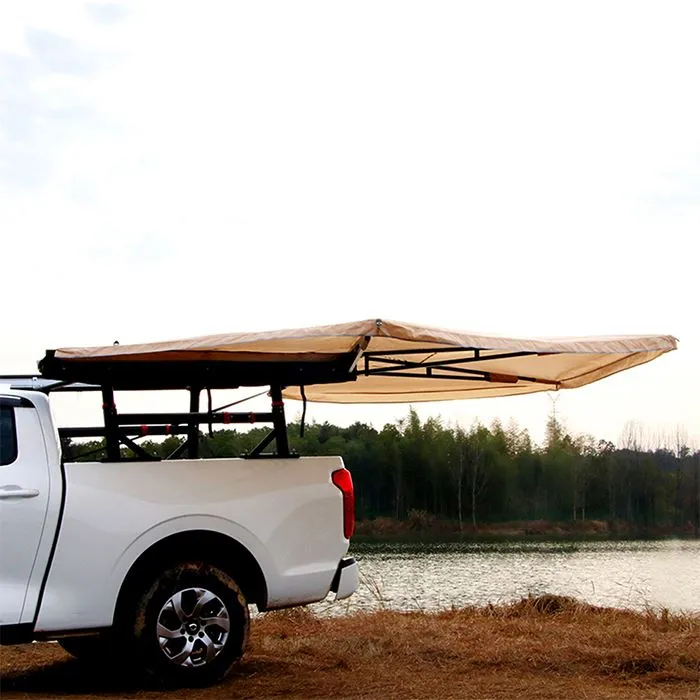
Rooftop awnings for SUV are another popular option for car campers. These awnings are designed to be mounted on the roof of an SUV, providing shade and protection from the sun and rain. Rooftop awnings for SUV come in a variety of sizes and styles, and their weight can vary depending on the size and features. A small rooftop awning for SUV can weigh between 10 and 20 pounds, while a larger awning with more features can weigh between 20 and 30 pounds. Rooftop Awning for SUV
Why Weight Matters in Car Camping
The weight of your car camping tent is an important consideration for several reasons.
Ease of Setup and Transport
A lighter tent is generally easier to set up and transport. If you're planning to do a lot of car camping, you'll likely be setting up and taking down your tent multiple times. A lighter tent will make this process quicker and less strenuous, allowing you to spend more time enjoying the outdoors.
Vehicle Capacity
The weight of your tent also affects the overall weight capacity of your vehicle. If you're carrying a heavy tent, along with other camping gear and supplies, you need to make sure that your vehicle can handle the additional weight. Overloading your vehicle can affect its performance, fuel efficiency, and safety.
Campsite Access
In some cases, you may need to carry your tent a short distance from your vehicle to your campsite. A lighter tent will be easier to carry, especially if you have to navigate rough terrain or steep slopes.
Conclusion
In conclusion, the weight of an average car camping tent can vary depending on several factors, including size, material, design, and accessories. Understanding these factors can help you choose a tent that suits your needs and preferences. When considering the weight of a tent, it's important to think about ease of setup and transport, vehicle capacity, and campsite access.
As a car camping tent supplier, we offer a wide range of tents to meet the needs of every camper. Whether you're looking for a lightweight dome tent for a solo camping trip or a spacious cabin tent for a family camping adventure, we have the perfect tent for you. If you have any questions or need help choosing the right tent, please don't hesitate to contact us. We're here to help you make the most of your car camping experience.
If you're interested in purchasing a car camping tent or have any questions about our products, we encourage you to reach out to us for a procurement discussion. We're committed to providing high-quality tents at competitive prices and excellent customer service.
References
- Coleman, "Tent Buying Guide." Coleman.com.
- REI, "How to Choose a Tent." REI.com.
- The Adventure Junkies, "Best Car Camping Tents." TheAdventureJunkies.com.


